
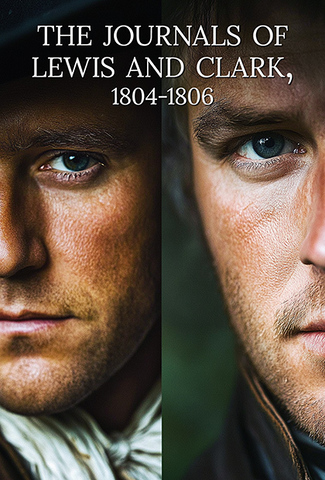
The Journals of Lewis and Clark are a thrilling firsthand account of one of the most daring expeditions in American history. Meriwether Lewis and William Clark, tasked by President Thomas Jefferson, set out in 1804 to explore the vast and uncharted western territories of the United States. Their mission was not only to map the newly acquired Louisiana Territory but also to establish relations with Native American tribes and uncover a potential route to the Pacific Ocean. Their writings reveal th… Read More
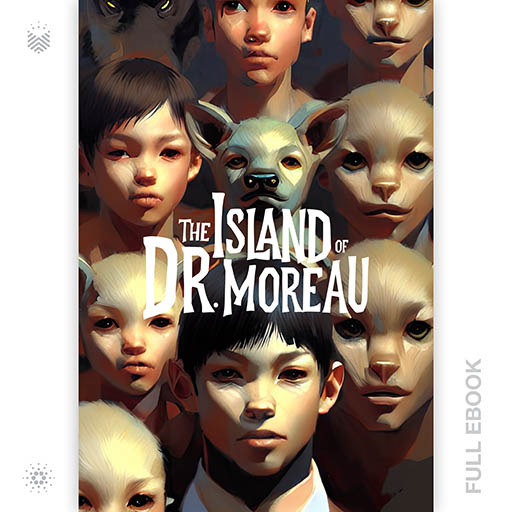
In 1896, H.G. Wells wrote The Island of Doctor Moreau, a classic work of early science fiction. The story is narrated by Edward Prendick, a man shipwrecked and left on the island of Doctor Moreau. Doctor Moreau is a mad scientist who creates hybrid beings from animals and humans. The novel explores human identity and man’s interference with nature.
Read More

Jack London wrote The Iron Heel in 1908 to explore the rise of authoritarianism and the suppression of democratic ideals through a gripping dystopian narrative. He used speculative fiction not just to entertain, but to critique capitalism and warn readers about the dangers of unchecked corporate and political power. By crafting a futuristic world dominated by an oppressive oligarchy, London called on readers to consider the fragility of freedom and the urgent need for social resistance.
… Read More
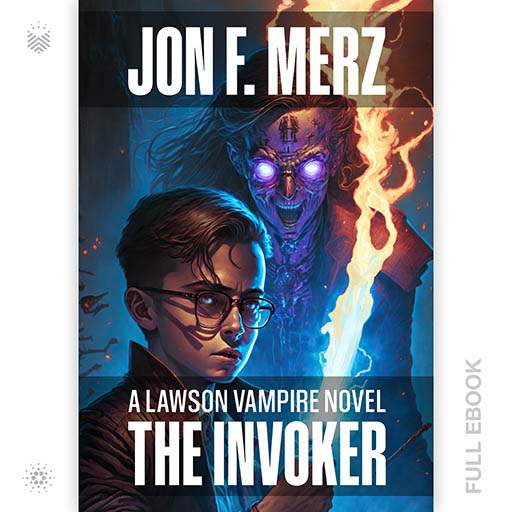
Lawson is back: vampire by birth, Fixer by trade. His mission: preserve the secret existence of living vampires. When a routine sanction turns out to be a set-up, Lawson suddenly finds himself protecting a small child with the incredible ability to conjure the spirits of dead vampires. But a powerful member of the Council wants the boy’s power for her own and will stop at nothing to have it. From the rain-slicked streets of Boston to the skyscraping Himalayas, Lawson has only one chance to fin… Read More
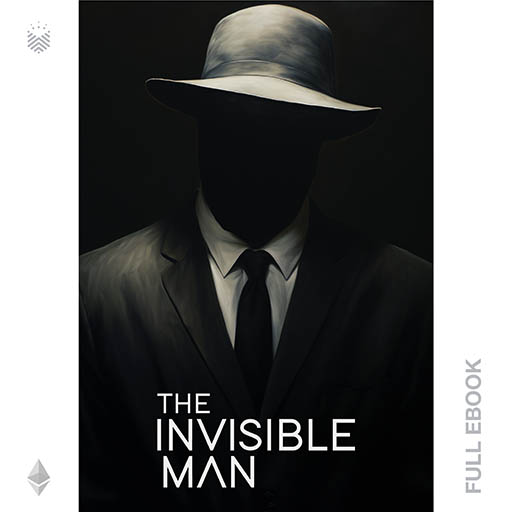
“The Invisible Man” is a classic science fiction novel written by H.G. Wells. It was first published in 1897 and is considered one of Wells’ most famous works. The novel explores the theme of scientific ethics and the consequences of unchecked scientific experimentation.
Read More
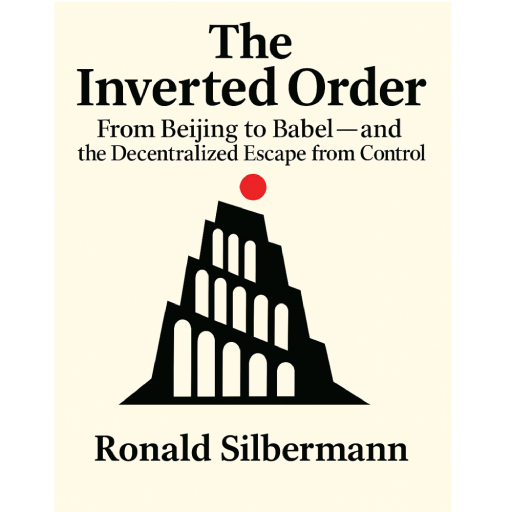
The Inverted Order is not a theory — it is the blueprint of a global system shaping how nations are governed, how truth is managed, and how citizens are conditioned to obey.
From Mao to Davos, from censorship to programmable money, the book reveals how moral clarity was replaced by engineered compliance — and how decentralization can reclaim what was quietly taken.
A sober, ethical, and visionary journey through the architecture of modern control — and the path back to freedom.
… Read More
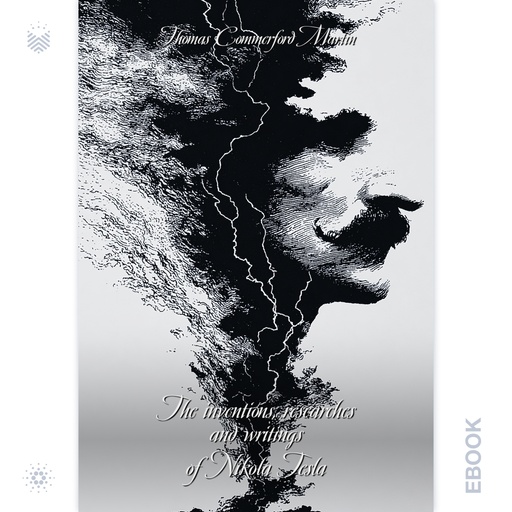
The Inventions, Researches and Writings of Nikola Tesla by Thomas Commerford Martin presents a remarkable account of Tesla’s pioneering contributions to science and technology. First published in 1894, this book captures Tesla’s revolutionary experiments and visionary ideas at a time when electricity and wireless transmission were transforming the modern world.
Read More
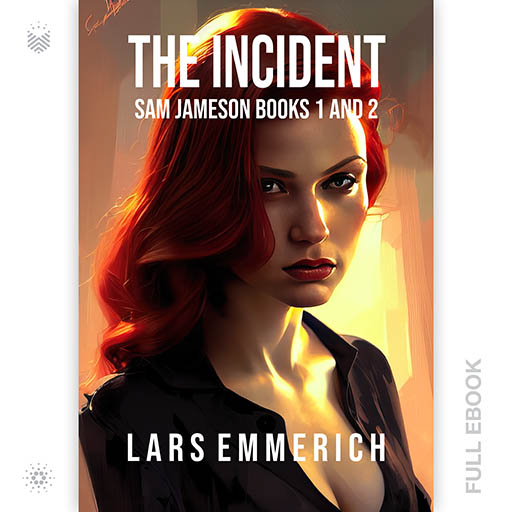
Where do you run when the good guys want you dead?
Is Special Agent Sam Jameson in love with a traitor?
The INCIDENT is the explosive two-volume opener to USA Today and international #1 bestselling author Lars Emmerich’s million-selling Sam Jameson thriller series. Fast, fun, edgy, dark, smart, iconic –now available in thistwo-for-oneNFT Collector’s Limited Edition.
Read More
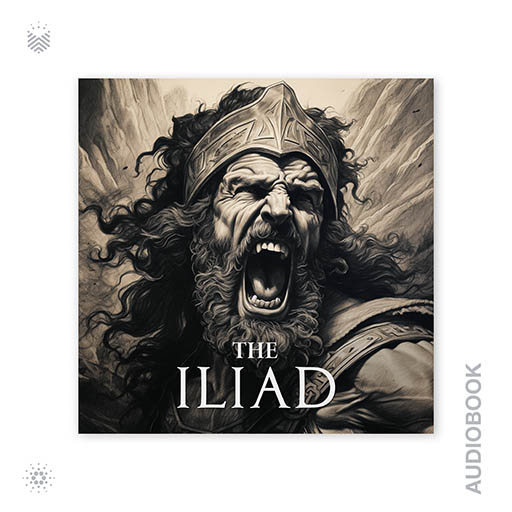
“The Iliad” is one of two major ancient Greek epic poems by Homer. The poem, set near the end of the Trojan War, depicts an intense quarrel between King Agamemnon and the legendary warrior Achilles. The poem is often widely known as the first substantial piece of European literature.
Read More
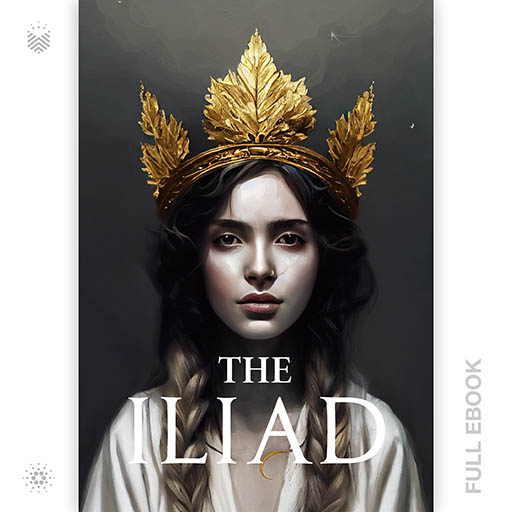
The Iliad is one of two major ancient Greek epic poems by Homer. The poem, set near the end of the Trojan War, depicts an intense quarrel between King Agamemnon and the legendary warrior Achilles. The poem is often widely known as the first substantial piece of European literature.
Read More
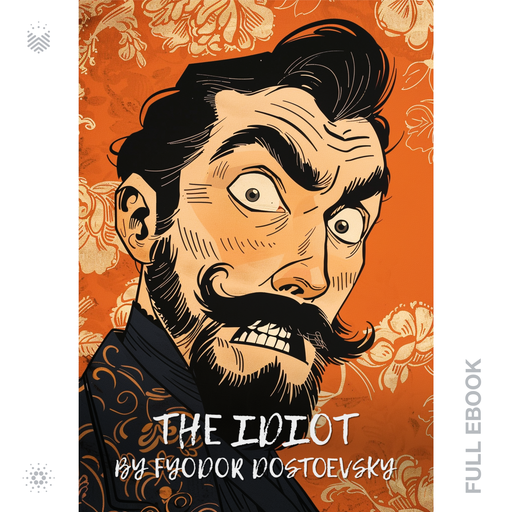
“The Idiot” by Fyodor Dostoevsky plunges readers into the complex world of 19th-century Russia, where protagonist Prince Lev Nikolaevich Myshkin navigates the intricacies of human nature and societal conventions. As Myshkin returns to St. Petersburg after being treated for epilepsy in Switzerland, he finds himself thrust into the midst of high society, where he encounters a cast of characters grappling with their own moral dilemmas and inner demons.
… Read More
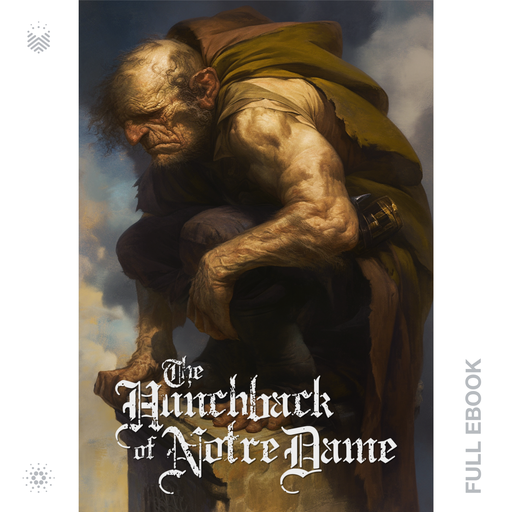
Book.io Con ’24 Exclusive
Victor Hugo’s “The Hunchback of Notre Dame,” first published in French in 1831 as Notre-Dame de Paris, captivating readers with its vivid portrayal of medieval Paris and its unforgettable cast of characters. At the heart of the narrative is Quasimodo, the hunchbacked bell-ringer of Notre Dame Cathedral, whose life becomes intertwined with that of the beautiful and enigmatic Esmeralda, a gypsy girl.
… Read More
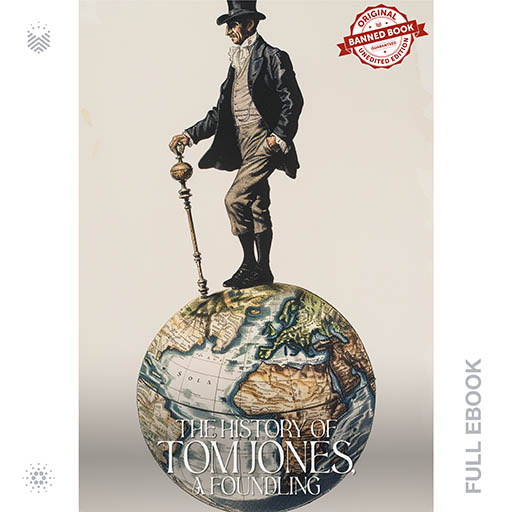
“The History of Tom Jones, a Foundling” is a novel written by the English author Henry Fielding. It was first published in 1749 and is considered one of the earliest examples of the English novel. The novel is known for its comedic and picaresque style, as well as its exploration of the social and moral issues of its time.
Read More
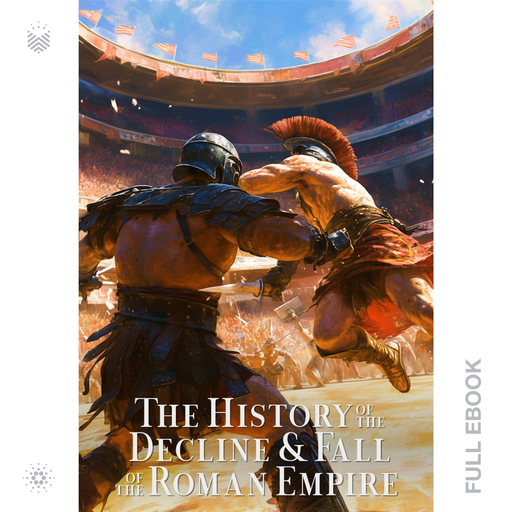
“The History of the Decline and Fall of the Roman Empire” by Edward Gibbon is a monumental work that traces the history of one of the most significant civilizations in human history. Spanning six volumes, Gibbon’s magisterial narrative offers a comprehensive examination of the rise, zenith, and eventual collapse of the Roman Empire.
Read More
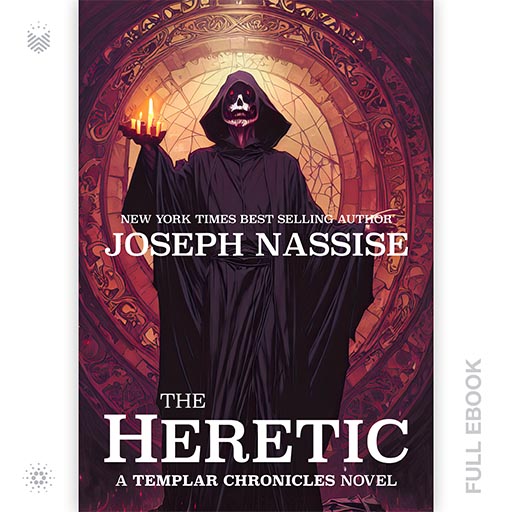
From New York Times, USA Today, and Der Spiegel bestselling author Joseph Nassise comes the first book in the internationally acclaimed Templar Chronicles urban fantasy series!
Monsters prey on the innocent. He preys on the monsters.
Read More

The Hebrew Tanakh represents the foundational religious and historical text for Judaism. It serves as a source of religious guidance, law, and inspiration for Jewish communities around the world.
Read More

The Hebrew Tanakh represents the foundational religious and historical text for Judaism. It serves as a source of religious guidance, law, and inspiration for Jewish communities around the world.
Read More
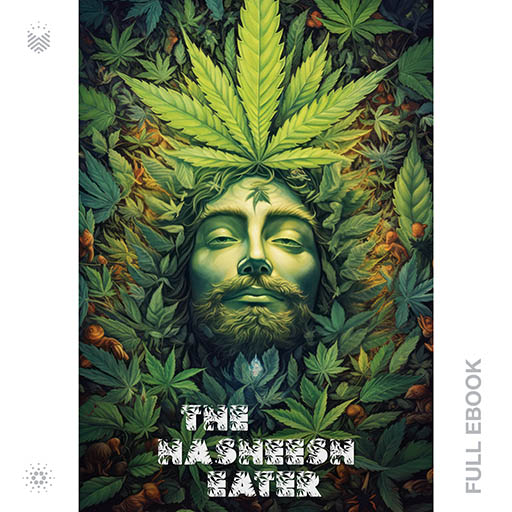
“The Hasheesh Eater” is a book written by Fitz Hugh Ludlow and published in 1857. It is a memoir that describes the author’s experiences and adventures while under the influence of hashish, a derivative of cannabis. The book is considered one of the earliest accounts of drug experimentation in Western literature.
Fitz Hugh Ludlow was an American writer and explorer who became fascinated with the effects of hashish after reading about its use in Eastern cultures. In “The Hasheesh Eater,�… Read More
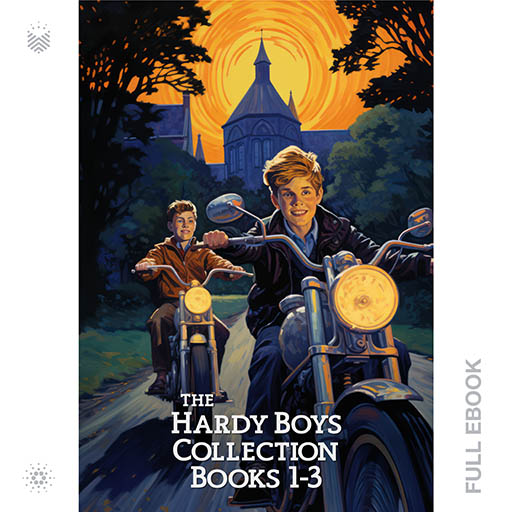
The Hardy Boys is a popular series of mystery novels for young readers created by the American writer Edward Stratemeyer. The series features two teenage brothers, Frank and Joe Hardy, who solve various mysteries and crimes in the fictional town of Bayport.
“The Tower Treasure” (1927): In the first book, Frank and Joe Hardy’s father, Fenton Hardy, a private detective, is hired to locate some stolen jewelry. When he gets injured during the investigation, the Hardy boys take over the case. T… Read More
The World’s First-Ever 3rd Generation NFT
• Fully Encrypted eBook • Fully Decentralized Assets
• Actual Real-world Utility • Unburnable Book
• Represents a brand new NFT Asset Class (DEAs)
Don’t miss your chance to own one of the first NFT Books – a fully decentralized encrypted asset – a book that can never be burned. This marks a new era in publishing in which you truly own your digital books and the introduction of a secondary market to sell them. The next chapter in the sto… Read More
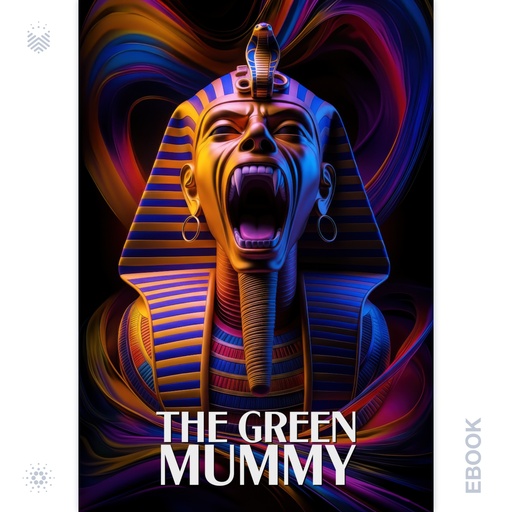
The Green Mummy plunges readers into a suspense-driven tale of romance, mystery, and crime set in a small English community where a rare Incan mummy triggers obsession, theft, and murder. The plot centers on a young couple determined to marry and the eccentric archaeologist whose fixation on the mummy upends their lives. As hidden motives emerge and secrets unravel, the story drives relentlessly toward justice and resolution.
… Read More
“The Great Gatsby” by F. Scott Fitzgerald captures the essence of the Roaring Twenties, portraying the opulence and excess of the Jazz Age. Fitzgerald introduces readers to Jay Gatsby, a mysterious millionaire who throws extravagant parties in hopes of rekindling a past romance with Daisy Buchanan. Through the eyes of narrator Nick Carraway, the novel explores themes of ambition, love, and the American Dream, revealing the hollow pursuit of wealth and status.
… Read More
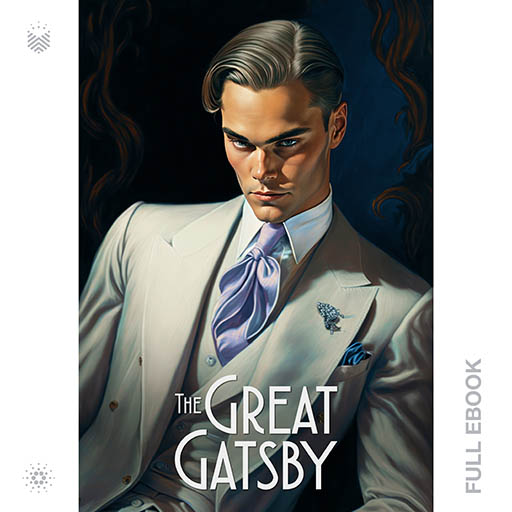
“The Great Gatsby” is a novel written by F. Scott Fitzgerald and published in 1925. The story is set in the 1920s and explores themes such as wealth, love, and the American Dream.
The novel is known for its commentary on the Roaring Twenties, a time period marked by economic prosperity, social and cultural change, and moral decay. Fitzgerald captures the excess and indulgence of the era, but also critiques it, showing how it ultimately leads to the downfall of many of the characters.
… Read More

Apuleius wrote “The Golden Ass,” also known as “Metamorphoses,” an ancient Roman novel in the second century AD. The story follows Lucius, a young man who, after experimenting with magic, transforms into a donkey. This transformation leads Lucius on whimsical adventures where he encounters diverse characters and experiences both humor and profundity.
Read More