
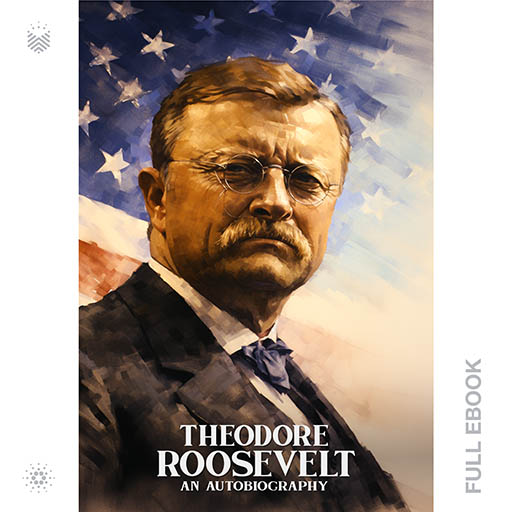
“Theodore Roosevelt: An Autobiography” is an autobiographical work written by the 26th President of the United States, Theodore Roosevelt. Roosevelt wrote the autobiography in 1913 and published it in 1914, shortly after the end of his presidency (1901–1909). The book covers Roosevelt’s early life, political career, and experiences as president.
Read More

El Dorado continues the daring adventures of the Scarlet Pimpernel during the height of the French Revolution. Baroness Orczy intensifies the stakes as her masked English hero risks everything to rescue the young Dauphin from imprisonment and certain death.
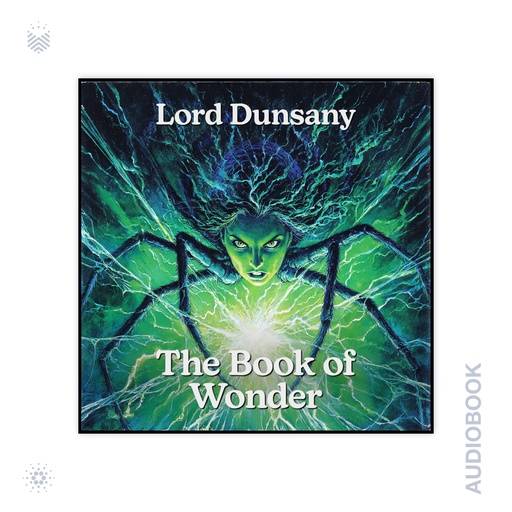
The Book of Wonder by Lord Dunsany invites readers into a dreamlike world where imagination reigns and reality bends at its edges. Each story unfolds with a sense of enchantment and subtle mischief, blending myth, fantasy, and philosophical reflection. Dunsany crafts vivid worlds that challenge the limits of human wonder, encouraging readers to see magic not as illusion but as a lens to explore truth and possibility.
… Read More
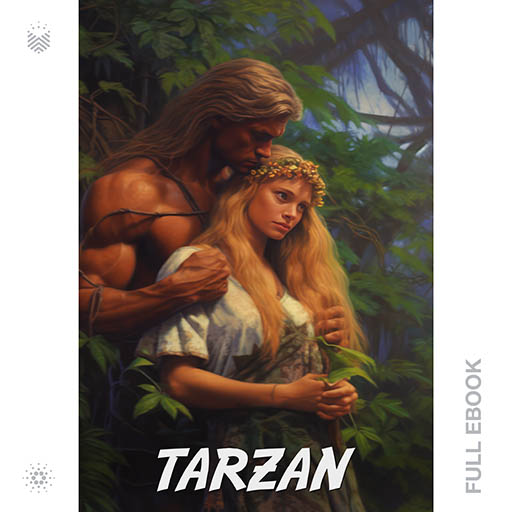
“Tarzan of the Apes” is a novel written by Edgar Rice Burroughs. It was first published in 1912 and is the first book in the series known as the “Tarzan” series. The story follows the adventures of Tarzan, a man who was raised by apes in the African jungle.
The novel begins with the shipwreck of the English couple John and Alice Clayton on the west coast of Africa. They manage to survive and build a treehouse, but are eventually killed by the savage apes. However, their infant son, John … Read More
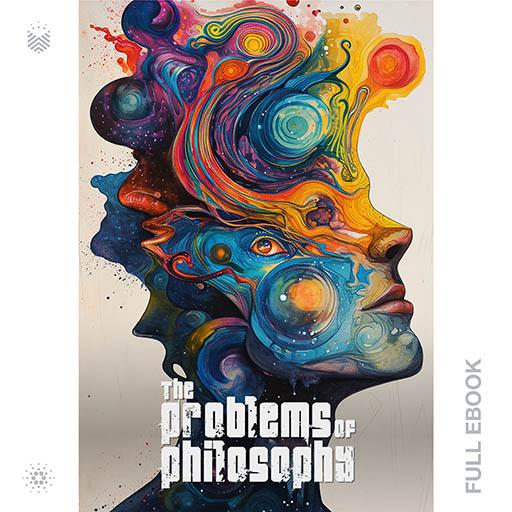
“The Problems of Philosophy” is a philosophical work written by the British philosopher Bertrand Russell. It was first published in 1912. In this book, Russell explores various fundamental issues in philosophy, presenting his thoughts on topics such as the nature of reality, the limits of human knowledge, and the philosophy of language.
Read More
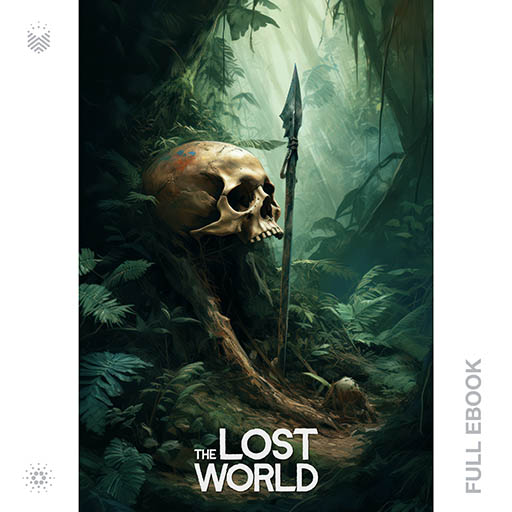
“The Lost World” is a novel by Sir Arthur Conan Doyle, first published in 1912. It tells the story of an expedition led by Professor Challenger, a controversial and eccentric scientist, to a remote plateau in South America where prehistoric creatures still exist.
The novel follows the adventures of Challenger and his team, including journalist Edward Malone and hunter Lord John Roxton, as they explore the plateau and encounter a variety of dangerous creatures, including dinosaurs and ape-men… Read More
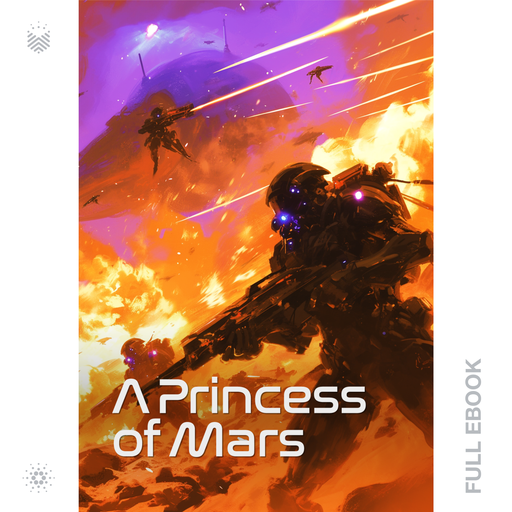
In Edgar Rice Burroughs’ science fiction masterpiece, “A Princess of Mars,” readers are transported to a captivating world of adventure and intrigue. Set on the exotic and mysterious planet of Barsoom (Mars), the novel follows the remarkable journey of John Carter, a Confederate veteran who finds himself mysteriously transported to the red planet.
Read More
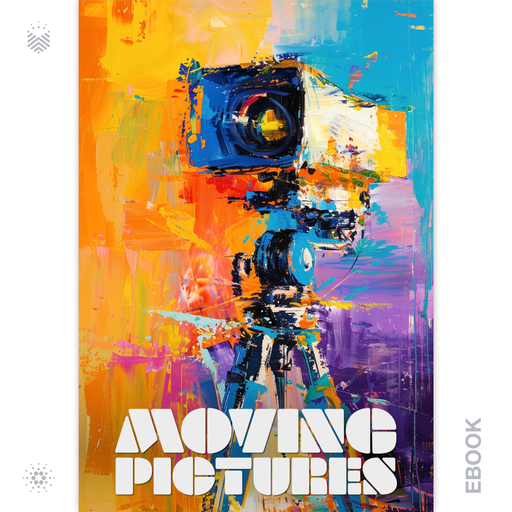
In Frederick Talbot’s “Moving Pictures,” readers are taken on a captivating journey through the history and significance of cinema. Talbot provides a comprehensive examination of the evolution of film, from its humble beginnings as a novelty to its transformation into a powerful cultural phenomenon. Through vivid storytelling and meticulous research, he traces the technological advancements, artistic innovations, and societal influences that have shaped the medium over the deca… Read More
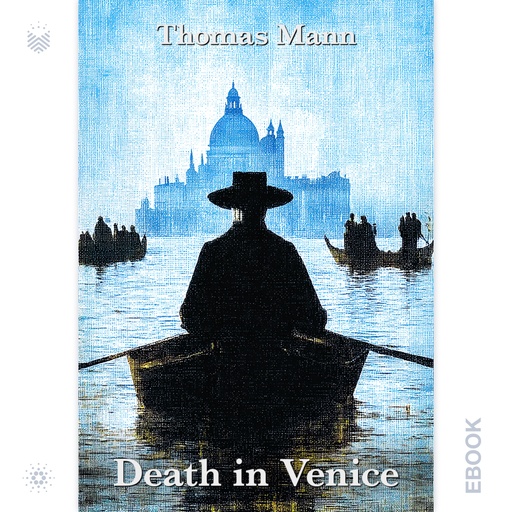
Thomas Mann’s Death in Venice delivers a haunting exploration of beauty, obsession, and decay. The novella follows the renowned writer Gustav von Aschenbach, whose rigid discipline unravels during a fateful trip to Venice, where he becomes consumed by a forbidden and destructive desire.
Read More
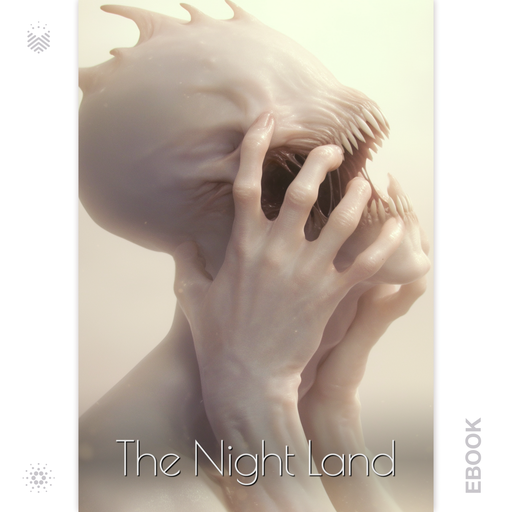
The Night Land by William Hope Hodgson transports readers to a distant, post-apocalyptic future, where Earth is locked in eternal darkness. Humanity’s last survivors are protected within the Last Redoubt, a towering fortress that stands against the horrors lurking beyond. But when a voice from the past calls to him, the protagonist sets out on a perilous journey across the desolate, nightmarish landscape to uncover a long-lost colony.
… Read More
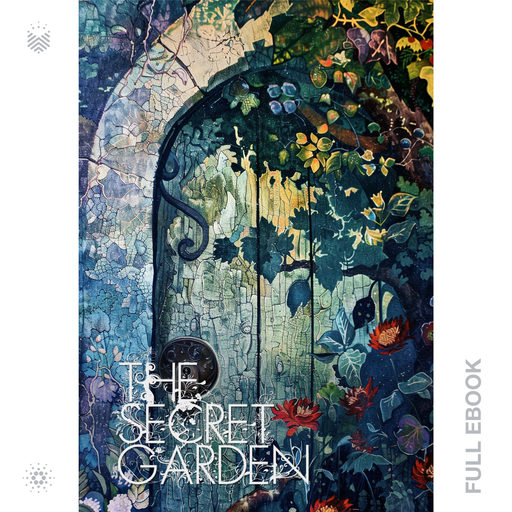
Book.io Con ’24 Exclusive
Frances Hodgson Burnett penned “The Secret Garden,” a timeless classic of children’s literature that first captivated readers in 1911. Burnett’s masterful storytelling transports readers into a world of magic and wonder, where the mysteries of the heart and the miracles of nature converge in a tale that resonates across generations.
Read More

Ralph 124C 41+—A Romance of the Year 2660 introduces readers to a visionary future shaped by science and invention. Written by Hugo Gernsback, the novel imagines a world of advanced technology, daring exploration, and human ingenuity, offering one of the earliest glimpses into what would later become known as science fiction.
Read More

The Lair of the White Worm captures the eerie imagination of Bram Stoker, blending ancient myth with Victorian dread. This gripping tale unfolds with a clear sense of menace, as a young Englishman uncovers a terrifying secret buried in the countryside. Stoker plunges readers into a chilling narrative where science, superstition, and survival collide.
Read More
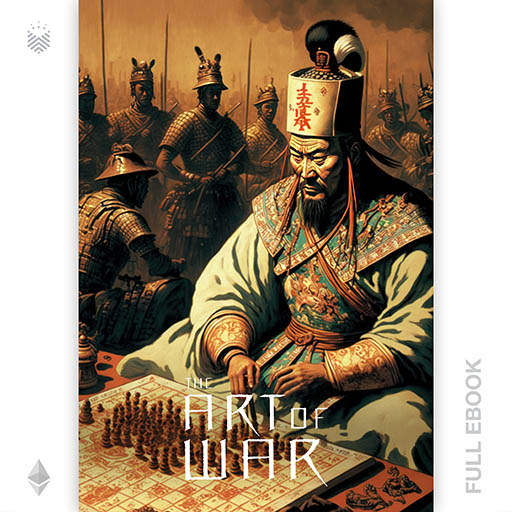
“The Art of War” is a Chinese military treatise written by Sun Tzu in the 5th century BC. It consists of 13 chapters, each of which deals with a different aspect of warfare and provides advice on strategy, tactics, and military organization. The central themes of the book are the importance of flexibility in adapting to changing circumstances, the value of strategic deception, and the need to understand and exploit the weaknesses of one’s opponent. The book is still widely read and studied… Read More
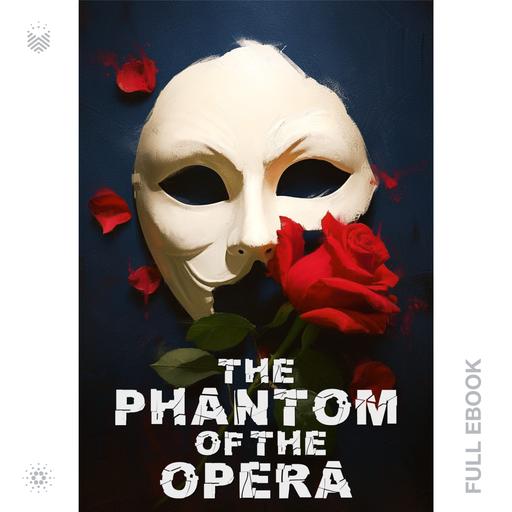
“The Phantom of the Opera” is a Gothic novel written by French author Gaston Leroux. It was first serialized in the French newspaper “Le Gaulois” from September 1909 to January 1910. It was later published as a novel in 1910. The novel combines elements of mystery, romance, and horror.
Read More
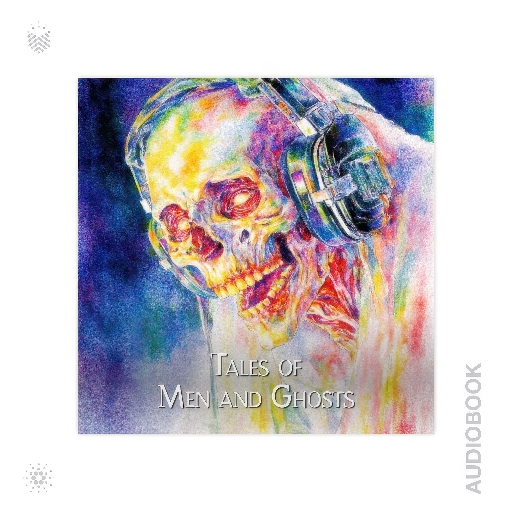
Edith Wharton delivers gripping psychological tension and sharp social observation in Tales of Men and Ghosts, a compelling collection of short stories that delve into the uncanny and the morally complex. She crafts each narrative with vivid detail and active voice, immersing readers in eerie encounters and the psychological undercurrents of upper-class life.
Read More
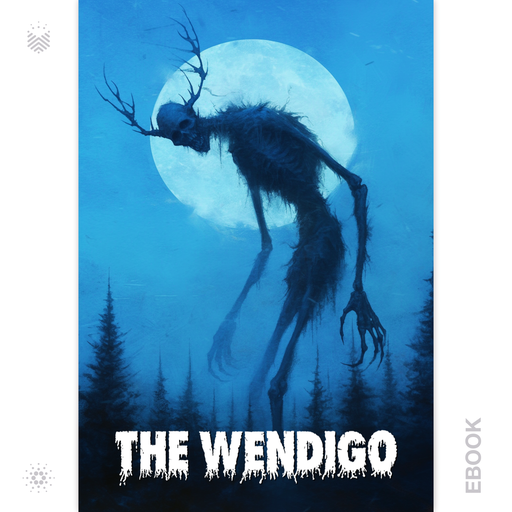
In the desolate wilds of Canada, where the silence holds ancient secrets, a chilling legend of terror waits to awaken. The Wendigo by Algernon Blackwood explores the haunting tale of a malevolent spirit that preys on the unsuspecting, drawing readers into a relentless atmosphere of fear and dread.
Read More
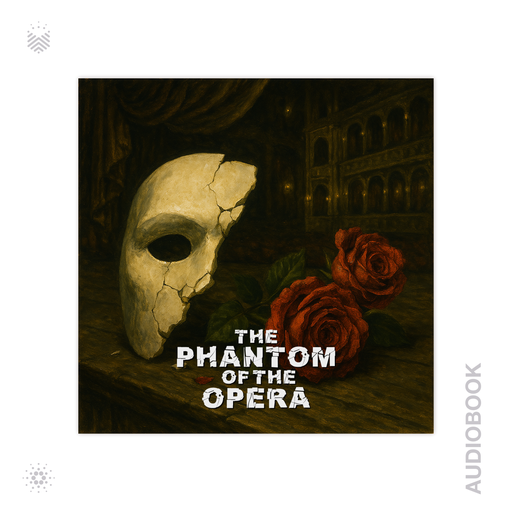
Gaston Leroux’s The Phantom of the Opera is a story of love, obsession, and mystery set against the grand backdrop of the Paris Opera House. First published in 1910, this Gothic novel has captivated audiences for over a century, inspiring countless adaptations in theater, film, and music. At its heart lies the tragic figure of the Phantom—a brilliant but disfigured musician who hides beneath the opera house, yearning for love and recognition. His fixation on the young soprano Christine Daaé… Read More
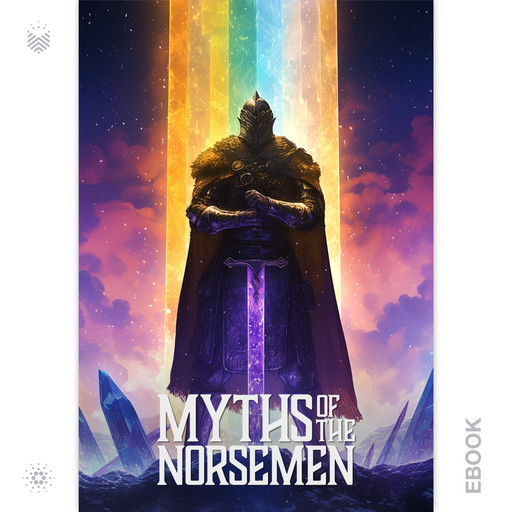
“Myths of the Norsemen” by H. A. Guerber brings to life the rich tapestry of Norse mythology. Guerber vividly recounts the epic sagas and heroic tales of gods, giants, and legendary creatures. Through her engaging storytelling, readers traverse the icy realms of Asgard and Midgard, where they encounter figures like Odin, Thor, and Loki, each with their own unique attributes and stories that have captivated audiences for centuries.
… Read More
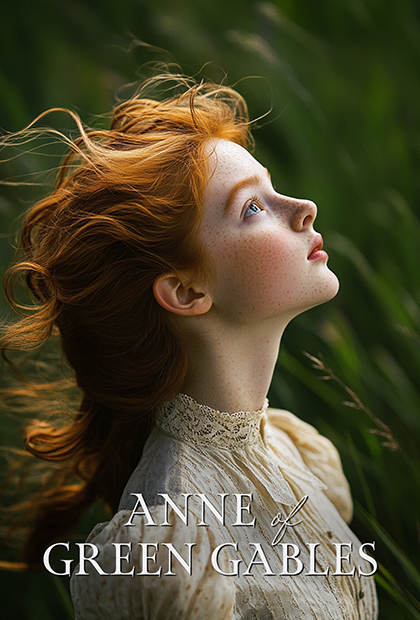
In Anne of Green Gables, Lucy Maud Montgomery introduces readers to the enchanting world of Anne Shirley, an imaginative and spirited orphan whose fiery red hair and vibrant personality make her unforgettable. When the Cuthberts, a pair of siblings living on a farm in Avonlea, mistakenly receive Anne instead of the boy they intended to adopt, their lives change in unexpected ways. Anne’s arrival brings chaos and charm to their home, and her journey to find belonging in a new community becomes … Read More
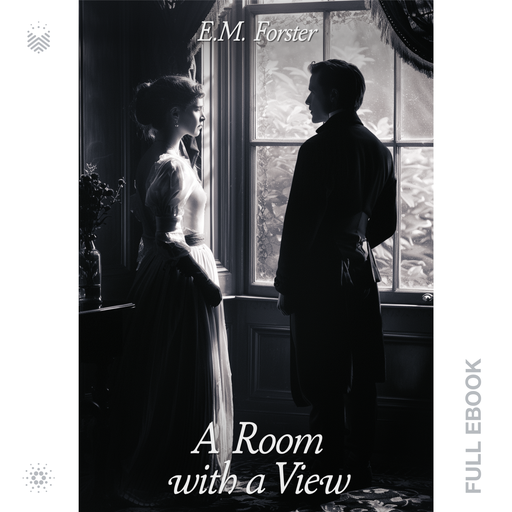
In E. M. Forster’s “A Room with a View,” readers are swept into a captivating tale of love, self-discovery, and societal conventions. Through Forster’s vivid prose, we follow the journey of Lucy Honeychurch, a young Englishwoman who embarks on a journey of personal growth and transformation during a trip to Italy. As Lucy navigates the complexities of Edwardian society and grapples with her own desires and aspirations, she finds herself torn between the expectations of he… Read More
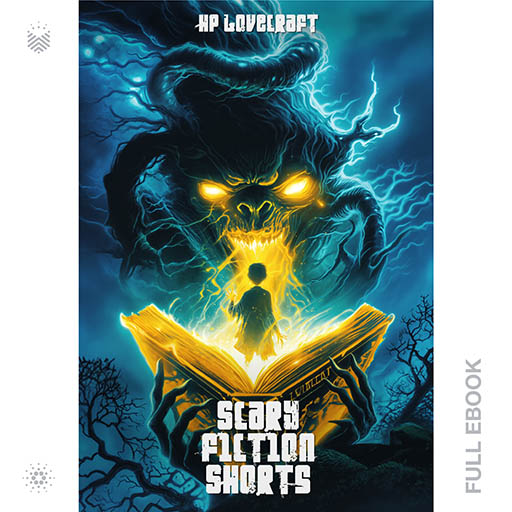
“Scary Fiction Shorts” showcases Lovecraft’s mastery of cosmic horror, where ancient and unknowable forces challenge human understanding, often leading to madness and despair.
Read More

Jack London wrote The Iron Heel in 1908 to explore the rise of authoritarianism and the suppression of democratic ideals through a gripping dystopian narrative. He used speculative fiction not just to entertain, but to critique capitalism and warn readers about the dangers of unchecked corporate and political power. By crafting a futuristic world dominated by an oppressive oligarchy, London called on readers to consider the fragility of freedom and the urgent need for social resistance.
… Read More
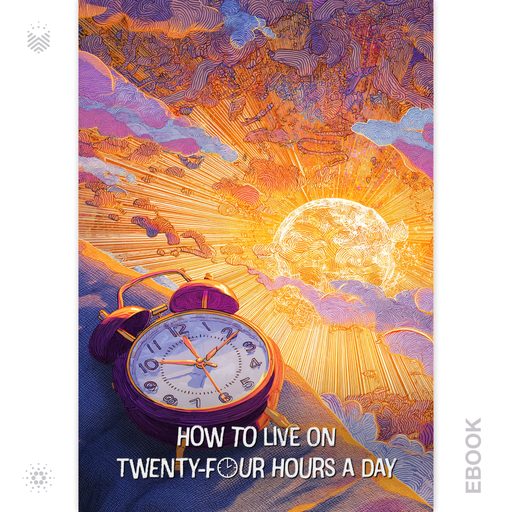
Arnold Bennett published How to Live on Twenty-Four Hours a Day in 1908 to help ordinary people reclaim their time and live more intentionally. In a brisk and practical tone, Bennett challenges readers to confront how they spend their daily hours and encourages them to invest time in self-improvement and personal growth. Rather than offering lofty philosophies, he delivers a direct and accessible guide for anyone striving to live with greater purpose.
… Read More