
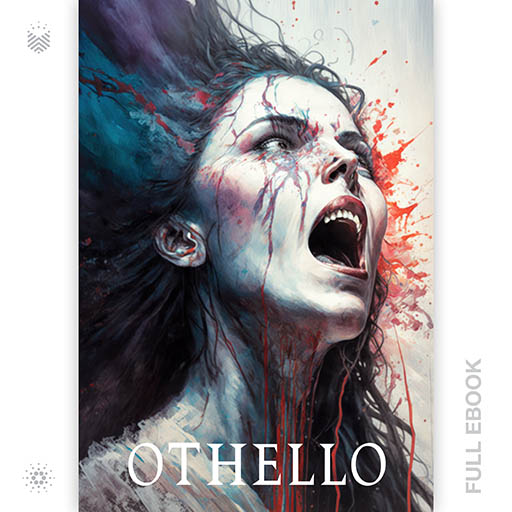
Othello is a play about a Moorish general, Othello, who falls in love and marries a Venetian woman, Desdemona. Othello is an outsider in Venetian society and faces discrimination and mistrust because of his race. Additionally, Othello’s ensign, Iago, manipulates Othello into believing that Desdemona is unfaithful, leading Othello to murder her and then take his own life. The play explores themes of betrayal of love, jealousy, racism, nature of trust, and the destructive power of manipulation a… Read More
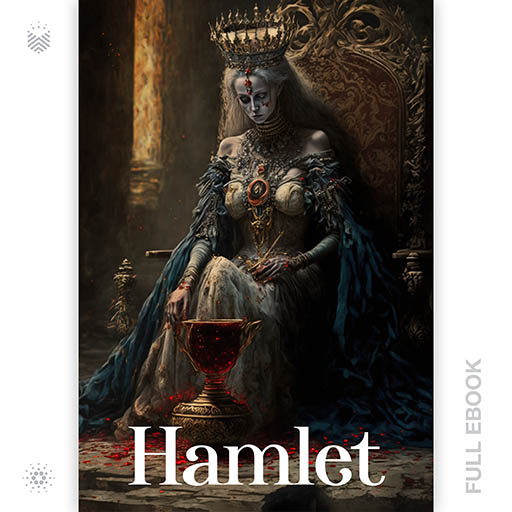
William Shakespeare’s Hamlet is one of the most well-known and enduring plays of all time. The play tells the story of Prince Hamlet of Denmark, who is seeking revenge for the murder of his father, the king. Along the way, he must confront his own doubts and fears, and ultimately make a decision about what he believes is right. The play is known for its complex characters, dramatic plot, and themes of betrayal, madness, and the consequences of inaction.
… Read More
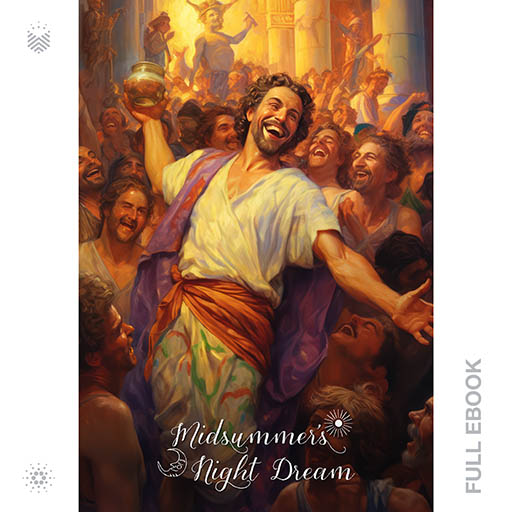
“A Midsummer Night’s Dream” is a famous comedy play written by William Shakespeare. It was most likely composed around the year 1595 or 1596 and is one of Shakespeare’s most well-known and frequently performed works. The play explores themes of love, magic, and the unpredictable nature of human emotions.
The story takes place in Athens, Greece, and the surrounding enchanted forest. It revolves around the adventures and misadventures of several groups of characters whose lives become inte… Read More
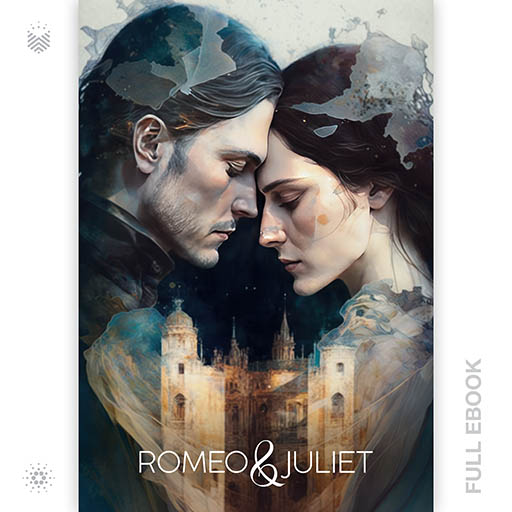
“Romeo and Juliet” is a tragedy written by William Shakespeare. The play is set in Verona, Italy and tells the story of two young lovers from rival families, the Montagues and the Capulets, who fall in love and secretly marry. However, they are eventually discovered, leading to a tragic turn of events that results in the deaths of both lovers, as well as several other characters.
In the end, the feud between the two families is finally resolved through the tragic events that have taken place… Read More
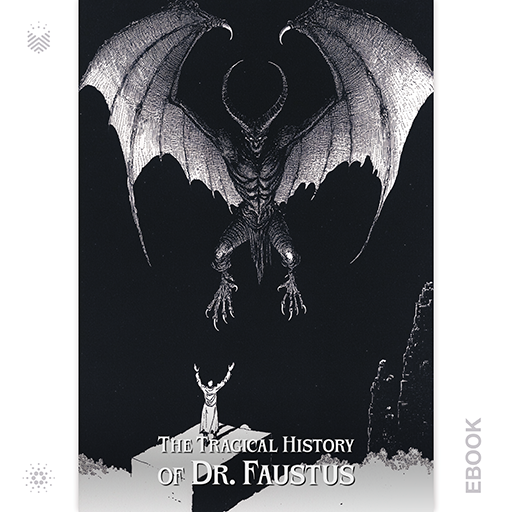
Christopher Marlowe’s The Tragical History of Dr. Faustus is a gripping tale of ambition, hubris, and the eternal consequences of overreaching. This timeless tragedy explores the dark allure of forbidden knowledge and the price of making a deal with the devil.
Read More
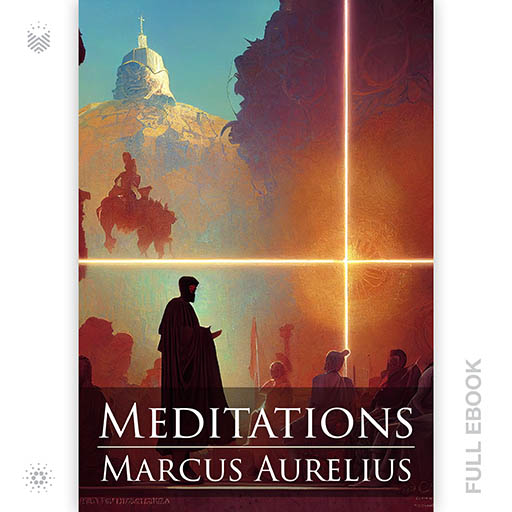
A special edition release only for cNFTCon attendees. Meditations is a series of personal writings by Marcus Aurelius, Roman Emperor from AD 161 to 180, recording his private notes to himself and ideas on Stoic philosophy.
Read More
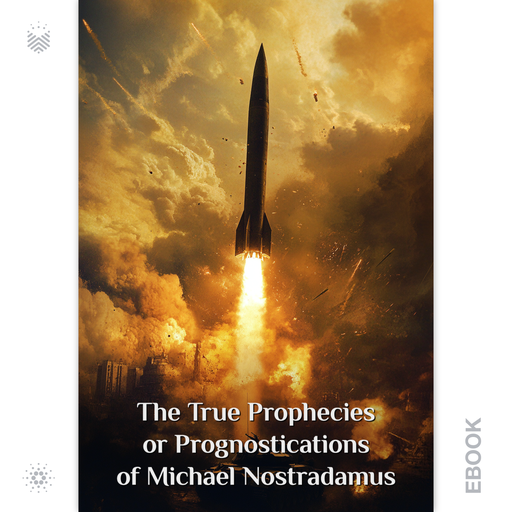
The True Prophecies or Prognostications of Michael Nostradamus uncovers the intriguing predictions that have fascinated readers for centuries. The book explores the life and work of Nostradamus, a 16th-century French astrologer and seer, whose verses have led to much discussion and interpretation.
Read More

“The Prince,” a political treatise written by the Italian diplomat and philosopher Niccolò Machiavelli. “The Prince” was first published in 1532 and is considered one of the most influential works on political philosophy and statecraft.
The book offers advice and guidance to rulers on how to acquire and maintain political power. It’s known for its pragmatic and often controversial approach to politics, advocating for leaders to prioritize effective governance and the preservation of t… Read More
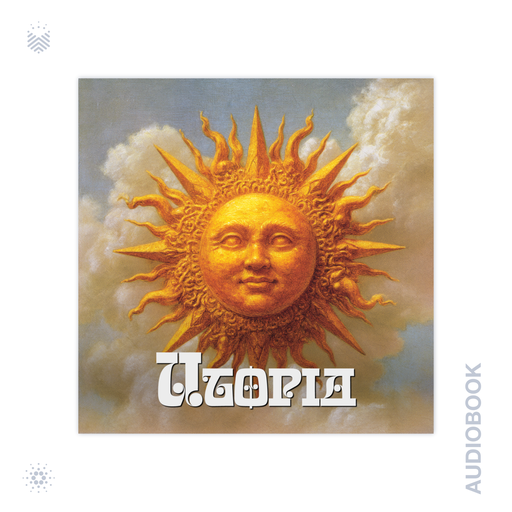
In Utopia, Thomas More constructs a fictional society to critique the political, social, and economic flaws of 16th-century Europe. Through a dialogue between fictionalized versions of himself and the traveler Raphael Hythloday, More presents an imagined island where communal ownership, religious tolerance, and rational governance create a harmonious society. By contrasting this utopian vision with the corruption of contemporary European states, More challenges readers to reflect on justice, ine… Read More
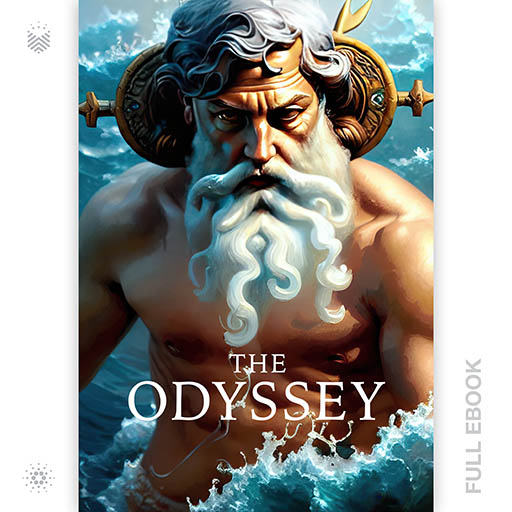
The Odyssey is one of two major ancient Greek epic poems attributed to Homer. It is one of the oldest extant works of literature still widely read by modern audiences. As with the Iliad, the poem is divided into 24 books. It follows the Greek hero Odysseus, king of Ithaca, and his journey home after the Trojan War.
Read More
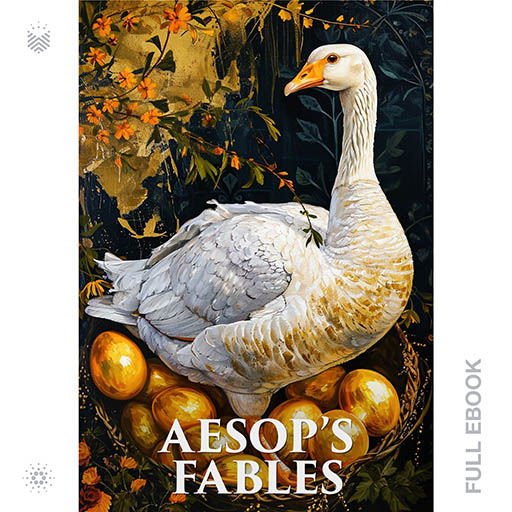
Aesop’s Fables are a collection of ancient moral tales attributed to Aesop, a storyteller believed to have lived in ancient Greece around the 6th century BCE.
These fables have endured through the centuries and remain popular as a source of wisdom and moral lessons.
Read More
The World’s First-Ever 3rd Generation NFT
• Fully Encrypted eBook • Fully Decentralized Assets
• Actual Real-world Utility • Unburnable Book
• Represents a brand new NFT Asset Class (DEAs)
Don’t miss your chance to own one of the first NFT Books – a fully decentralized encrypted asset – a book that can never be burned. This marks a new era in publishing in which you truly own your digital books and the introduction of a secondary market to sell them. The next chapter in the sto… Read More

Geoffrey Chaucer’s “The Canterbury Tales” transports readers to the vibrant and diverse world of medieval England, offering a panoramic view of society through the lens of a group of pilgrims journeying to the shrine of Thomas Becket in Canterbury. Written in Middle English in the late 14th century, Chaucer’s magnum opus is a rich tapestry of storytelling, wit, and social commentary. Through a series of interconnected tales told by a colorful cast of characters from vario… Read More
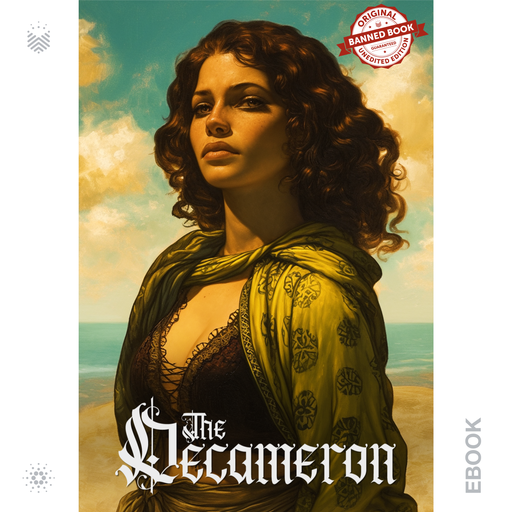
Giovanni Boccaccio’s “The Decameron” transports readers to 14th-century Italy during the devastating Black Death. In this vivid narrative, ten young Florentines—seven women and three men—flee their plague-stricken city to seek refuge in a serene villa in the countryside. To pass the time and keep their spirits high, they each take turns telling stories over ten days, culminating in a rich tapestry of one hundred diverse tales.
… Read More
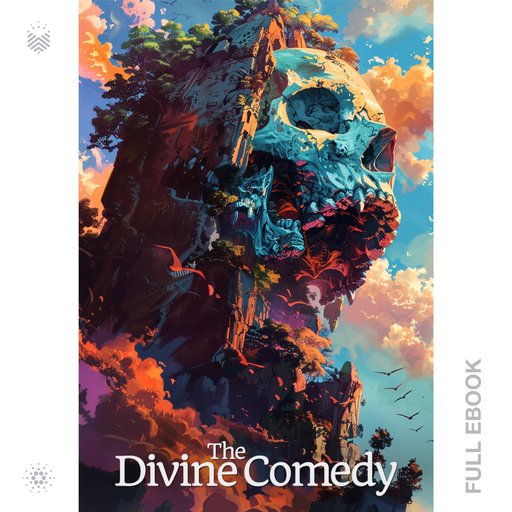
Book.io Con ’24 Exclusive
Dante Alighieri wrote “The Divine Comedy,” crafting it as an epic poem that stands as one of the pinnacles of world literature and Italian literary tradition. Divided into three parts – Inferno, Purgatorio, and Paradiso – the poem narrates Dante’s journey through Hell, Purgatory, and Heaven, respectively.
Read More
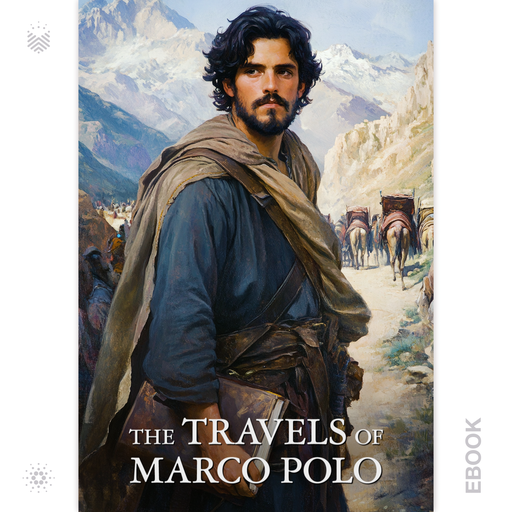
Step into the medieval world with The Travels of Marco Polo — Volume 1 & 2, a collaborative masterpiece by Marco Polo and Rusticiano da Pisa. This remarkable narrative brings to life the vast and diverse lands of Asia, as seen through Marco Polo’s adventurous eyes and Rusticiano’s vivid prose.
Read More
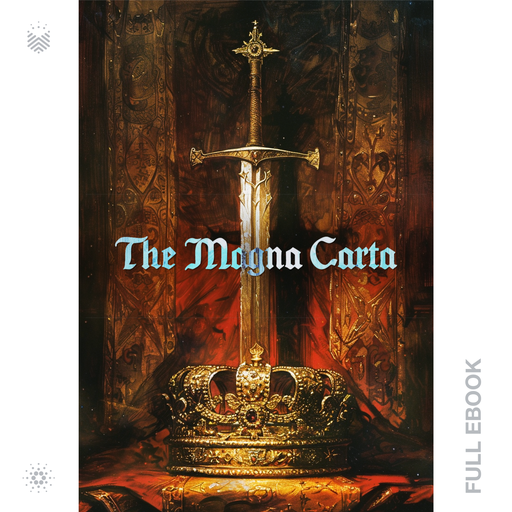
Magna Carta, Latin for “Great Charter,” is a foundational document in English constitutional history. It was signed by King John of England at Runnymede on June 15, 1215, under pressure from rebellious barons seeking to limit the monarch’s power.
Read More