

The Federalist Papers also known as The Federalist, comprising of 85 articles and essays, were written by Alexander Hamilton, James Madison, and John Jay between 1787 and 1788. These essays, published under the pseudonym “Publius,” aimed to promote the ratification of the United States Constitution. Addressing various aspects of government structure and individual rights, the papers serve as a foundational text in American political thought.
… Read More
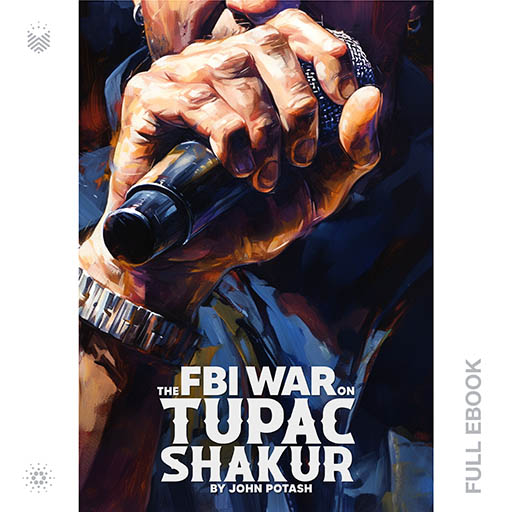
Since the first day after the tragedy was announced, controversy has surrounded the death of rap and cultural icon Tupac Shakur. In this work, preeminent researcher on the topic, John Potash, puts forward his own theories of the events leading up to and following the murder in this meticulously researched and exhaustive account of the story.
Read More
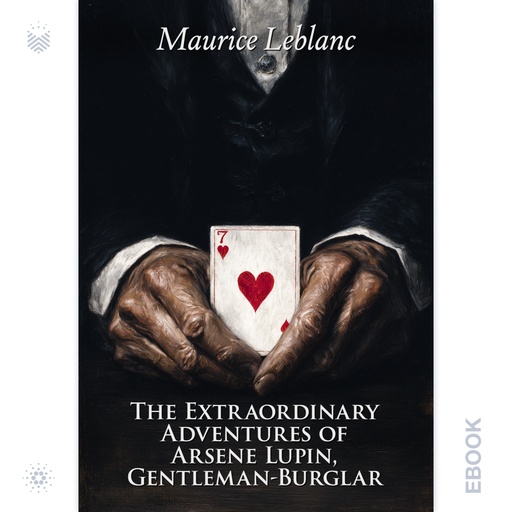
The Extraordinary Adventures of Arsène Lupin, Gentleman-Burglar introduces readers to the world’s most charming thief. Written by Maurice Leblanc, the collection of short stories presents Lupin as both a criminal mastermind and a man of wit, daring, and honor. His exploits mix suspense, intrigue, and humor, making him one of literature’s most enduring anti-heroes.
Read More

Elizabeth von Arnim’s The Enchanted April is a luminous and uplifting tale of self-discovery, friendship, and the transformative power of nature. Set against the idyllic beauty of the Italian Riviera, it offers readers a refreshing escape into a world of renewal and joy.
Read More
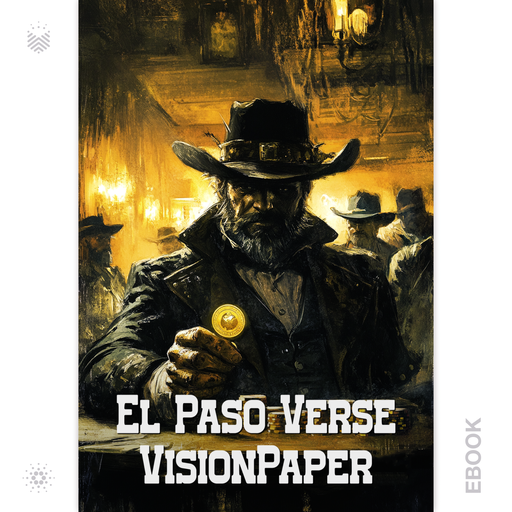
This ain’t just a whitepaper.
It’s a blueprint carved in dust, mesquite, and cinematic fire.
The first trail marker of a frontier not yet built.
Read More
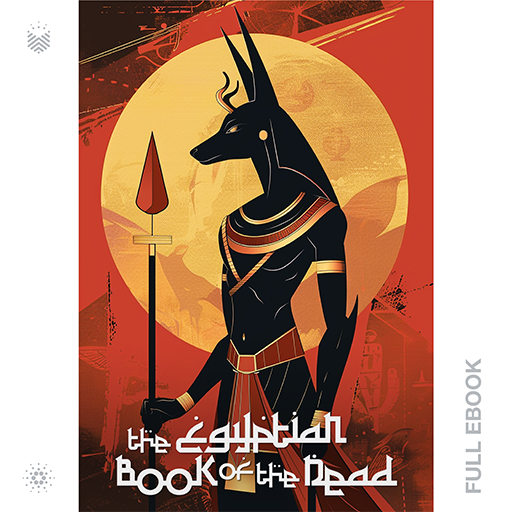
The Egyptian Book of the Dead, translated by Peter Le Page Renouf and Edouard Naville, is an ancient funerary text originating from ancient Egypt. It consists of a collection of spells, hymns, and rituals aimed at guiding the deceased through the afterlife and ensuring their safe passage to the realm of the gods. These texts were often inscribed on papyrus scrolls and buried with the deceased to provide guidance and protection in the journey to the underworld. The Book of the Dead reflects the a… Read More

“The Dog’s Book of Verse, compiled by J. Earl Clauson, is a poetic anthology that joyfully commemorates the unique bond between dogs and their owners.”
Book.io Con ’24 Exclusive
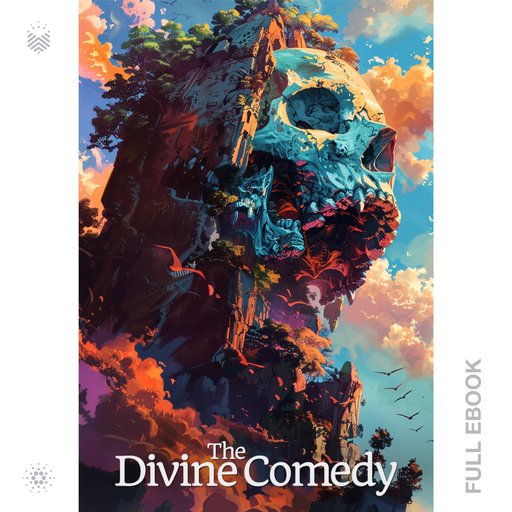
Dante Alighieri wrote “The Divine Comedy,” crafting it as an epic poem that stands as one of the pinnacles of world literature and Italian literary tradition. Divided into three parts – Inferno, Purgatorio, and Paradiso – the poem narrates Dante’s journey through Hell, Purgatory, and Heaven, respectively.
Read More

Beneath the waves, in the silent and deadly world of submarine warfare, one man chronicles his experiences with chilling honesty. The Diary of a U-Boat Commander offers a rare and intimate glimpse into the life of a German naval officer during World War I. Through his personal journal, we witness the triumphs, tensions, and moral conflicts of a commander navigating both the perils of war and his own conscience. This gripping account brings history to life, immersing listeners in the unseen battl… Read More
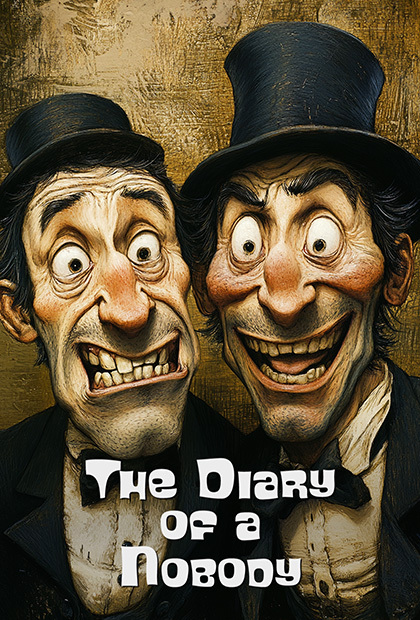
Step into the hilariously mundane world of The Diary of a Nobody, where every small misstep and trivial event becomes a comedy of manners. George and Weedon Grossmith craft a timeless satire of middle-class life in Victorian England, turning the ordinary into the extraordinary.
Read More
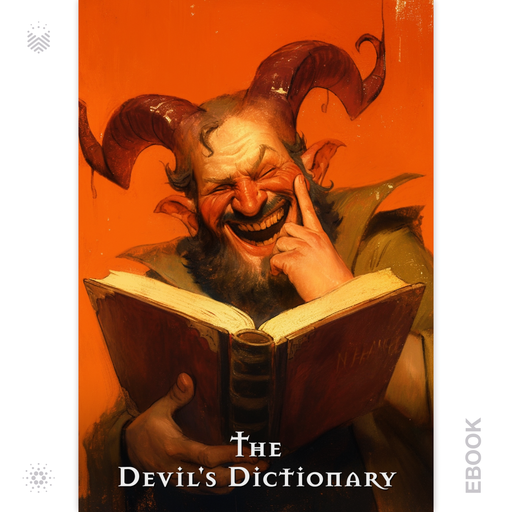
Ambrose Bierce’s The Devil’s Dictionary is a masterclass in wit, satire, and cynicism. First published in 1906, this darkly comedic lexicon offers sharp, often scathing redefinitions of common words, exposing the absurdities of human nature, politics, and society. With a biting sense of humor, Bierce transforms language into a weapon, using irony and sarcasm to challenge conventional wisdom and societal hypocrisy.
Through cleverly twisted definitions, The Devil’s Dictionary invites readers… Read More
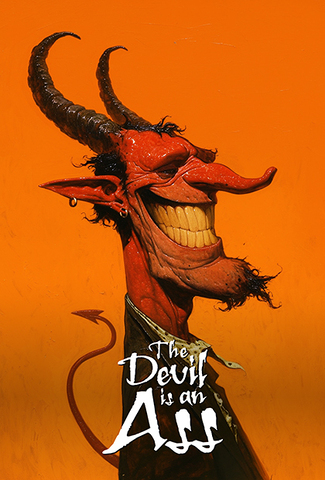
In a witty and provocative exploration of morality and human folly, The Devil is an Ass by Ben Jonson invites readers into a world where vice and virtue clash, revealing the absurdities of societal norms and the complexities of human nature. This satirical comedy, first performed in 1616, cleverly intertwines themes of ambition, deception, and the supernatural, challenging audiences to reflect on the true nature of good and evil.
… Read More

Lawson is back: vampire by birth, Fixer by trade. His mission: preserve the secret existence of living vampires. But that’s a hard thing to do when Shiva – the most lethal assassin Lawson has ever known – decides to come to town on a mission to kill the head of the Council. And what makes Shiva so dangerous? She’s half-lycan and can shapeshift into anyone she likes with uncanny detail. That skill has fooled her targets in the past, and it just might be enough to fool Lawson himself.
… Read More
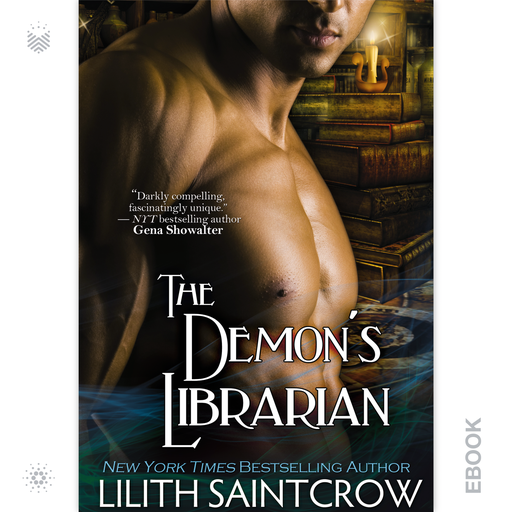
It’s not just another day at the library . . .
When demons are preying on schoolchildren in her city, Francesca Barnes does what any red-blooded librarian would do—she does some research and goes hunting. But the books she finds in a secret cache don’t tell her the whole story.
Read More
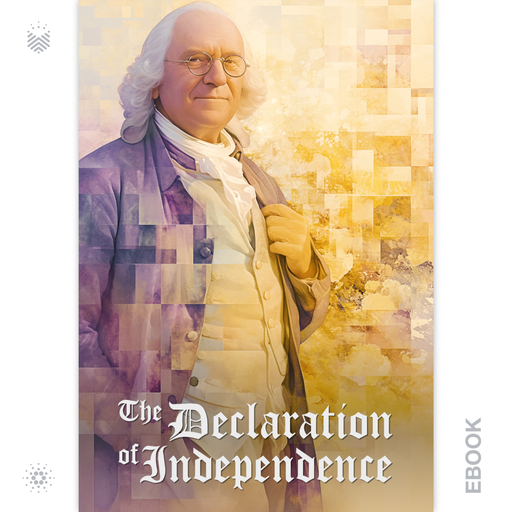
The Declaration of Independence, adopted on July 4, 1776, marks a pivotal moment in American history. Thomas Jefferson, tasked with drafting the document, captured the colonies’ collective resolve for freedom from British rule. The Continental Congress debated and revised Jefferson’s draft, ultimately producing a powerful proclamation that articulated the colonies’ desire for independence and their grievances against King George III.
… Read More
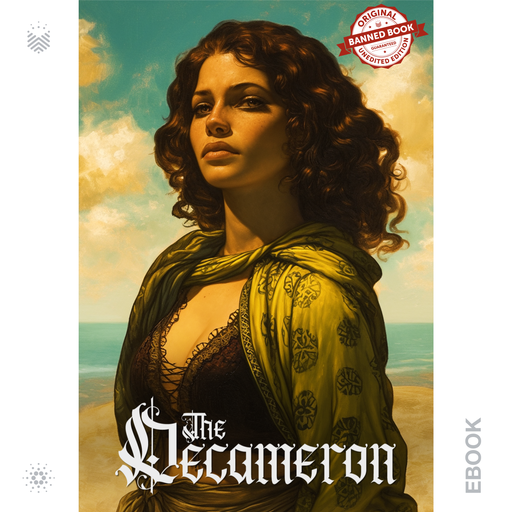
Giovanni Boccaccio’s “The Decameron” transports readers to 14th-century Italy during the devastating Black Death. In this vivid narrative, ten young Florentines—seven women and three men—flee their plague-stricken city to seek refuge in a serene villa in the countryside. To pass the time and keep their spirits high, they each take turns telling stories over ten days, culminating in a rich tapestry of one hundred diverse tales.
… Read More
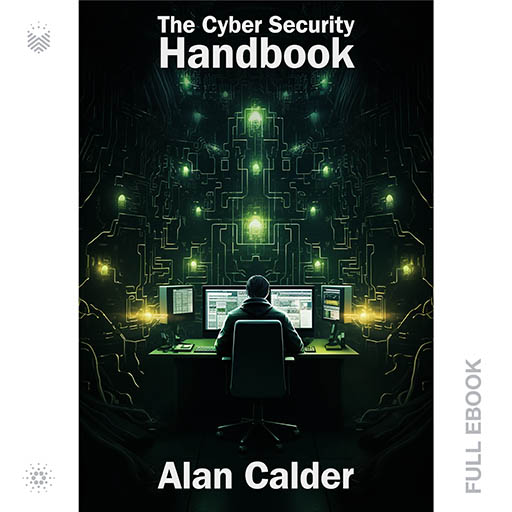
This book is a comprehensive cyber security implementation manual which gives practical guidance on the individual activities identified in the IT Governance Cyber Resilience Framework (CRF) that can help organisations become cyber resilient and combat the cyber threat landscape.
Read More

In The Curved Blades, Carolyn Wells launches the reader into a chilling murder mystery where high society masks darker secrets. The story wastes no time as it introduces a suspicious death at a lavish estate, immediately casting a shadow over its elite guests. Wells moves swiftly to set up intrigue, delivering sharp dialogue, subtle clues, and a roster of complex characters with hidden motives.
Read More
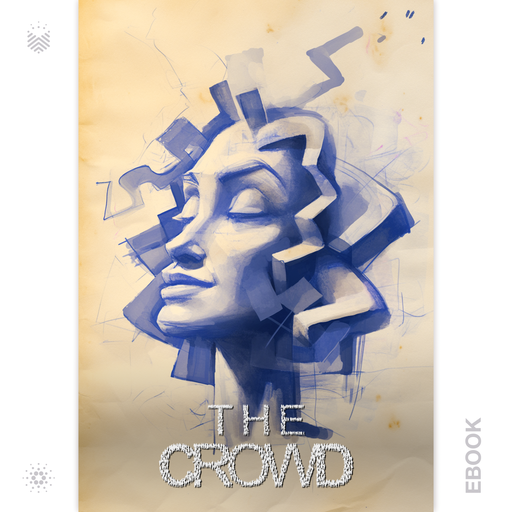
Gustave Le Bon’s The Crowd: A Study of the Popular Mind is a groundbreaking exploration of collective behavior and its psychological underpinnings. This influential work examines how individuals transform within crowds, revealing the dynamics that drive mass movements and societal shifts.
Read More
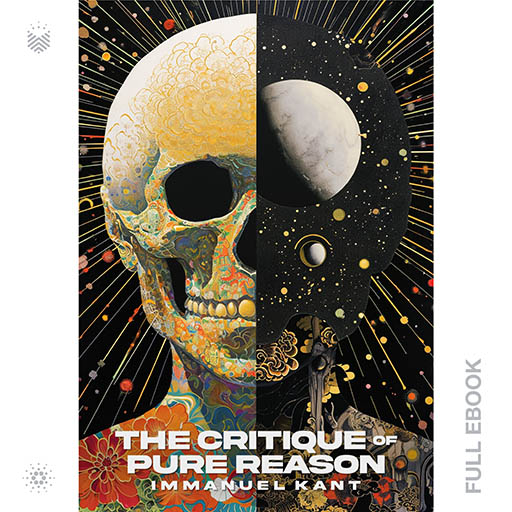
“The Critique of Pure Reason” is a philosophical work by Immanuel Kant, first published in 1781. It is one of Kant’s major works and is considered a cornerstone in modern Western philosophy. The book addresses fundamental questions about human knowledge, metaphysics, and the nature of reality.
Read More
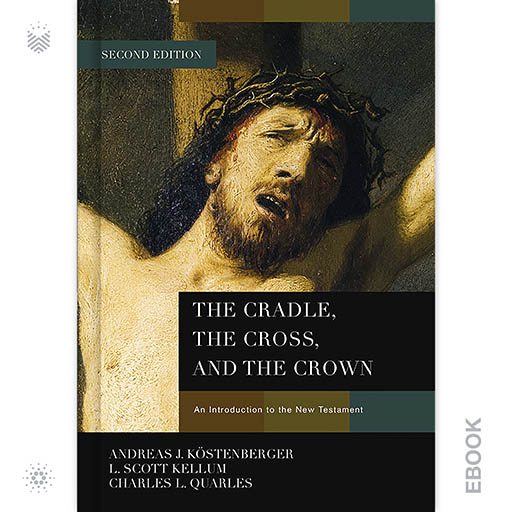
The Cradle, the Cross, and the Crown thoroughly introduces all twenty-seven New Testament books and closely examines Christ’s incarnation and virgin birth, the heart of His ministry shown so vividly in the Gospels’ Passion Narratives, and the triumphant return of Jesus and our eternal reign with Him as depicted in Revelation.
Read More
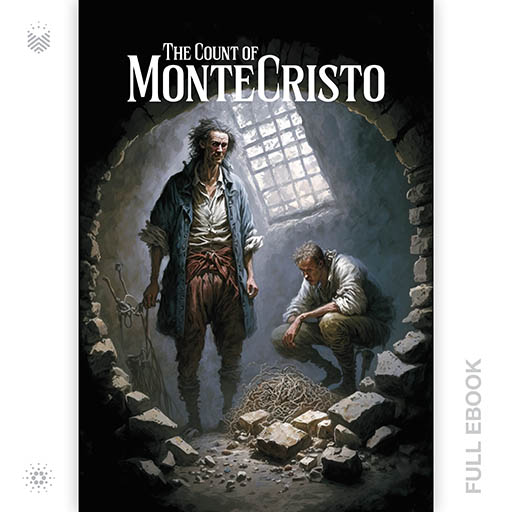
The Count of Monte Cristo by Alexandre Dumas was first published in serial form in the French newspaper “Le Siècle” in 1844. The story follows the life of Edmond Dantes, a young sailor who is falsely accused of treason and imprisoned in the island fortress of Château d’If. After 13 years of incarceration, Dantes escapes with the help of a fellow prisoner and begins to plot his revenge against those who wronged him.
… Read More

“The Cougar Diaries Trilogy” by Jillian Godsil aka Aoife Brennan, is a bold and captivating exploration of modern relationships, self-discovery, and empowerment. Godsil skillfully captures the emotional depth and evolving dynamics of relationships. The book resonates with readers by addressing universal themes of love, self-acceptance, and the courage to defy societal expectations. Her narrative is both candid and humorous, providing a fresh perspective on the trials and triumphs of … Read More
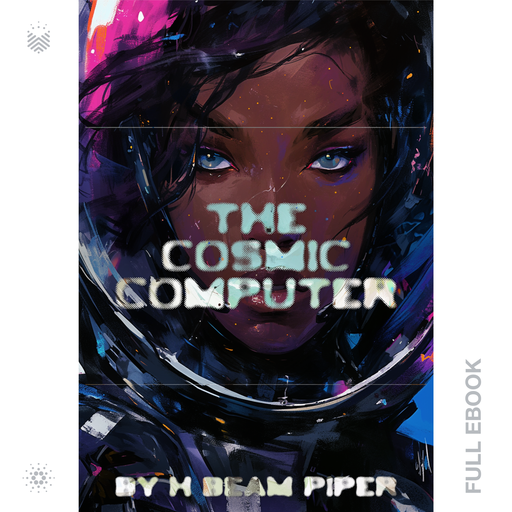
“The Cosmic Computer” is a science fiction novel written by H. Beam Piper, first published in 1963. Set in a distant future where humanity has colonized various planets, the story follows Conn Maxwell, who returns to his home planet of Poictesme to find it in decline. Determined to revive the planet’s economy, Conn embarks on a quest to uncover the fabled supercomputer known as Merlin, rumored to hold vast knowledge and power.
… Read More